Appliance Repair Safety Tips: A DIY Troubleshooting Guide
Prioritize safety when fixing appliances. Always disconnect power and be aware of the dangers of water and electricity. Know when to call a professional.
- Safety Protocols 98%
- Expert Guidance 100%
- DIY Guides 10+
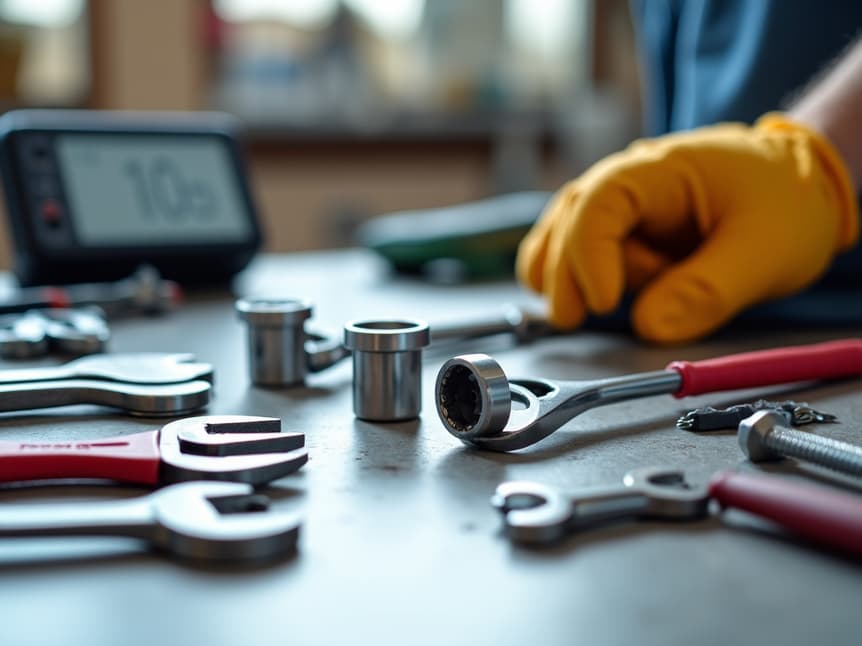
Prioritize your safety over DIY risks. Get $20 off your first professional appliance repair with us.
Appliance Repair Safety Tips: A DIY Troubleshooting Guide
Attempting to fix a malfunctioning appliance can seem like a cost-saving solution, but it carries significant risks if not approached with extreme caution. This guide outlines essential safety protocols for Sacramento homeowners considering DIY appliance troubleshooting. While certain minor issues can be addressed safely, many common problems involve hidden dangers, particularly lethal electrical charges. By understanding these risks and knowing when to call a professional from Local Appliances Repairs, you can protect yourself and your home.
Prioritize Power Disconnection: The First Rule of Appliance Safety
Before attempting any troubleshooting or repair on an appliance, always ensure it is completely disconnected from its power source. This critical first step prevents electrocution and unexpected operation.
- Unplug the Unit: For plug-in appliances like microwaves, refrigerators, and washing machines, simply pull the power cord directly from the wall outlet. Do not assume the appliance is off just because it's not running.
- Flip the Circuit Breaker: For hard-wired appliances such as dishwashers, ovens, and some water heaters, locate the corresponding circuit breaker in your home's electrical panel and switch it to the "OFF" position. It's good practice to label the breakers for quick identification.
Failing to disconnect the power source is one of the most common and dangerous mistakes DIYers make. Accidents can happen in an instant, and even minor electrical shocks can lead to severe injury or fatality. Always double-check that the power is off before touching any internal components.
Hidden Dangers: Understanding Appliance Capacitors
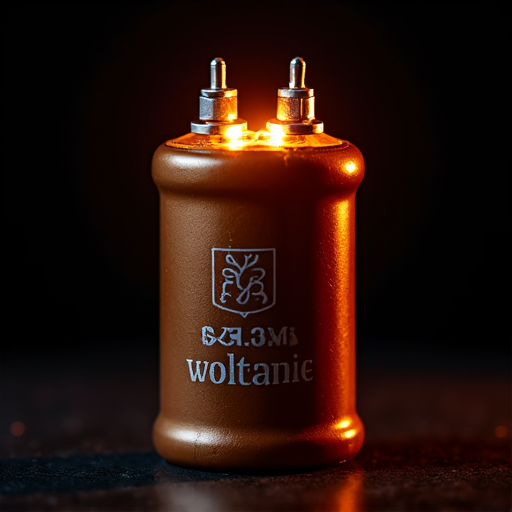
Many household appliances, even when unplugged, can retain a lethal electrical charge within their capacitors. This is particularly true for:
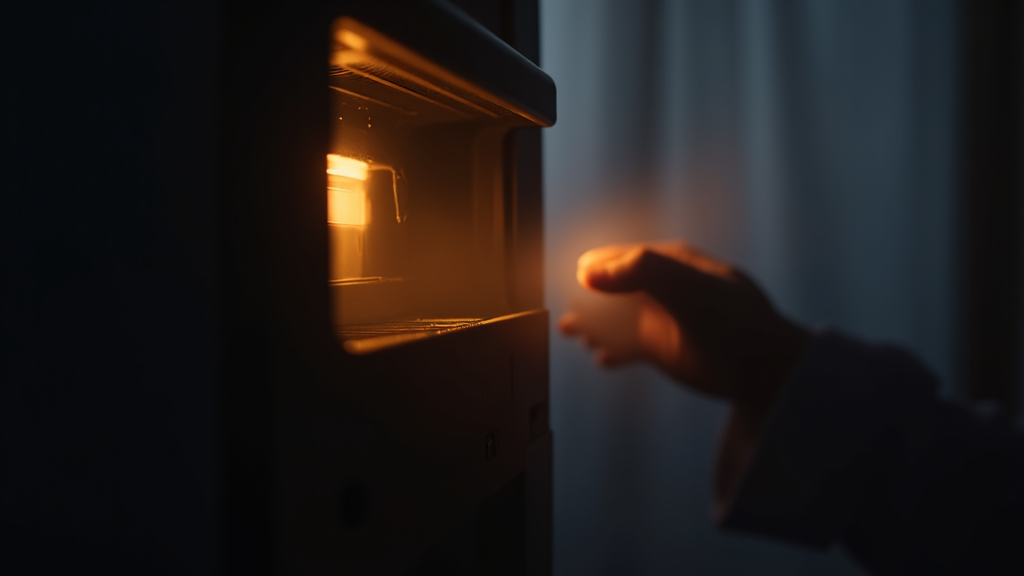
- Microwaves: The high-voltage capacitor in a microwave oven can store a charge of thousands of volts, enough to cause severe injury or death, even minutes after being unplugged. NEVER attempt to open a microwave or discharge its capacitor without professional training.
- Refrigerators: While typically less powerful than microwave capacitors, some refrigerator models, especially those with advanced features or certain compressor types, can also store significant residual charges. Exercise extreme caution.
- Dryers, Washing Machines, and Other Motors: Capacitors in these appliances power motors and can also hold a charge. Though generally lower voltage than microwaves, they still pose a shock hazard.
The safest approach is to assume all internal components could be energized. If you suspect an issue involving a capacitor or any complex electrical system, it's a clear "Stop" trigger. Contact a certified technician from Local Appliances Repairs to ensure the job is done safely and correctly.
Moisture and Electricity Don't Mix: Avoid Wet Environments
Water is an excellent conductor of electricity, drastically increasing the risk of electrocution.
- Avoid Wet Areas: Never troubleshoot or repair an appliance in a wet basement, standing water, or on a damp floor. Ensure your workspace is completely dry.
- Dry Your Hands: Always work with dry hands and ensure no water is near electrical outlets or tools.
- Wear Proper Footwear: Rubber-soled shoes can offer a layer of insulation, but they are not a substitute for proper power disconnection and avoiding wet environments altogether.
Any repair involving water-related appliances (washers, dishwashers, refrigerators with ice makers) that might have leaks or spills should be handed over to a professional. The risk of accidental electrocution is too high.
Gas Appliances: Specialized Risks and PG&E Protocols
Gas appliances (gas stoves, ovens, dryers, water heaters) introduce additional hazards beyond electricity, primarily the risk of gas leaks, explosions, and carbon monoxide poisoning.
- Gas Shut-Off: If you suspect a gas leak (smell of rotten eggs, hissing sound), immediately shut off the gas supply to the appliance and evacuate the area. Call PG&E (Pacific Gas and Electric) and then Local Appliances Repairs.
- No DIY Gas Repair: NEVER attempt to repair gas lines or connections yourself. This requires specialized training, tools, and adherence to strict safety codes.
- Ventilation: Ensure gas appliances are properly vented. Blocked vents can lead to carbon monoxide buildup, an odorless, colorless, and deadly gas.
Sacramento County safety standards align with the imperative to leave gas appliance repairs to licensed professionals. Your safety and the safety of your family depend on it.
For further guidance on appliance decisions, refer to our comprehensive guide: Appliance Repair vs. Replacement: The Ultimate Decision Guide for Sacramento Homeowners.
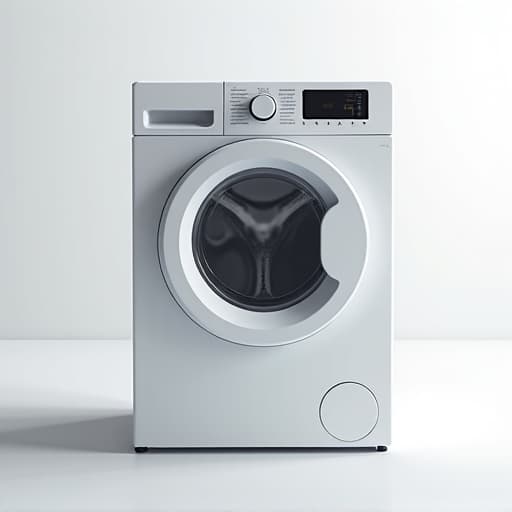
When to Call a Sacramento Appliance Professional
While some minor appliance issues are DIY-friendly (like cleaning refrigerator coils or replacing dryer filters), tackling complex repairs can be risky and even dangerous. Knowing when to call a certified technician not only ensures your safety but also protects your appliance and potentially expensive warranties.
- DIY-Friendly Tasks: Basic cleaning, filter replacements, or simple troubleshooting that doesn't involve electrical components or sealed systems.
- 'No-Go' Zones: Avoid touching control boards, refrigerant lines, gas manifolds, or high-voltage capacitors (found in microwaves and refrigerators). These require specialized tools and expertise.
- The 50% Rule: If the repair cost, including tools and potential damage, approaches 50% of a new appliance's price, it’s often more cost-effective to call a professional or consider replacement.
- Warranty Risk: Attempting DIY repairs on high-end brands like Sub-Zero, Wolf, or Viking often voids their warranties, leading to greater long-term expenses.


For detailed insights into potential repair costs and whether professional intervention is your best option, check out our comprehensive guide.
Refrigerator Repair Cost GuideAppliance Safety & Troubleshooting FAQ
-
1. What should I do if I smell gas near my oven or stove?
If you smell gas, evacuate your home immediately. Do not use light switches, phones, or any electrical devices, as a spark could ignite the gas. Contact PG&E's emergency line from a safe location and then alert the fire department. Serious gas leaks require professional intervention, not DIY troubleshooting. Local Appliances Repairs recommends never attempting to fix gas appliance issues yourself.
-
2. Is it safe to repair my own microwave oven?
Absolutely not. Microwave ovens contain high-voltage capacitors that can store a lethal electrical charge even when unplugged. This charge can last for days or weeks. Attempting any DIY repair on a microwave is extremely dangerous and can result in severe injury or electrocution. Always call a certified professional for microwave issues.
-
3. How can I safely test a thermal fuse in an appliance?
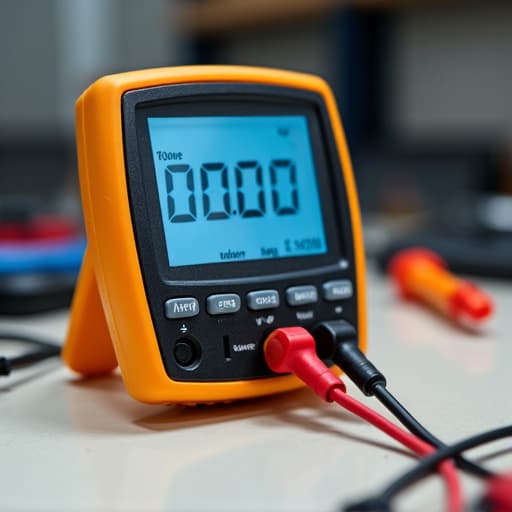
A thermal fuse should only be tested via continuity with a multimeter by someone with electrical knowledge. Before testing, always ensure the appliance is completely unplugged from the power source. Many fuses are not easily accessible and require partial disassembly. If you're not proficient with electrical testing, it's best to consult a professional to avoid shock or damaging the appliance.
-
4. Do appliances in Sacramento require dedicated electrical circuits?
Yes, many major appliances, especially those with heating elements like electric ranges, dryers, and sometimes refrigerators, require dedicated circuits according to the National Electrical Code (NEC) and Sacramento County electrical codes. This prevents overloading circuits and reduces fire hazards. If an appliance frequently trips a breaker, a dedicated circuit might be necessary, and an electrician should be consulted.
-
5. What tools are essential for safe DIY appliance troubleshooting?
For basic troubleshooting, a non-contact voltage tester, a multimeter, insulated screwdrivers, and work gloves are essential. However, remember that these tools are for identification, not necessarily repair. Always disconnect power before any internal inspection. If you're unsure how to use these tools properly, contact Local Appliances Repairs for safe and reliable service.
-
6. When should I call a professional instead of attempting a DIY repair?
Call a professional immediately if you smell gas, see sparks, hear unusual electrical hums, or if the appliance involves complex wiring, high voltage, or sealed systems (like refrigerator compressors). Additionally, if a repair involves fire hazards, potential water damage, or could void a warranty, it's always safer and often more cost-effective to call Local Appliances Repairs.
-
7. Can I fix a constantly running refrigerator myself?
While accessible issues like dirty condenser coils can sometimes be cleaned by a homeowner, a constantly running refrigerator often indicates a more complex problem, such as a sealed system leak, a faulty thermostat, or a malfunctioning compressor. These repairs require specialized tools, refrigerants, and expert knowledge. Attempting these yourself can damage the unit further or expose you to hazardous chemicals.
-
8. What are common overlooked safety measures during appliance repair?
Always disconnect power at the circuit breaker, not just the wall plug. Verify power is off with a voltage tester. Wear appropriate personal protective equipment (PPE) like insulated gloves and eye protection. Never work with wet hands or near standing water. Understand the internal hazards (capacitors, sharp edges) and always consult the owner's manual for specific safety instructions before touching anything.
Trusted by Your Sacramento Neighbors
-
Professional and Safe Service Every Time
"When our dryer broke down, Local Appliances Repairs came out the same day. The technician was incredibly professional, clearly explained the issue, and performed the repair safely and efficiently. It's reassuring to know there are experts in Sacramento who prioritize both quality work and customer safety. Highly recommend them!"
-
Quick and Reliable Refrigerator Repair
"Our refrigerator suddenly stopped cooling, and we feared losing all our groceries. Local Appliances Repairs responded promptly. The technician arrived on time, was courteous, and fixed the problem with genuine parts. Their attention to safety during the repair process was also very impressive. Fantastic service for our Folsom home!"
-
Transparent and Expert Appliance Fixes
"I had an issue with my dishwasher, and the team at Local Appliances Repairs provided an excellent diagnostic. They were clear about the costs and what the repair entailed. Their technician was knowledgeable, worked meticulously, and ensured everything was safe before leaving. A truly trustworthy service in Elk Grove."
-
Highly Recommended for Washer Repairs
"Our washing machine stopped mid-cycle, causing a huge inconvenience. From the initial call to the technician's departure, Local Appliances Repairs was outstanding. The service was fast, the repair was perfectly done, and I felt confident in their safety procedures. Glad to have found such reliable help in Carmichael."



Meet Our Certified Safety Experts
Our technicians are not just skilled—they are certified safety experts, especially when it comes to high-voltage electronics and gas appliances. We adhere to strict OSHA and manufacturer standards, ensuring every repair is performed with the utmost safety for your home and family.
-
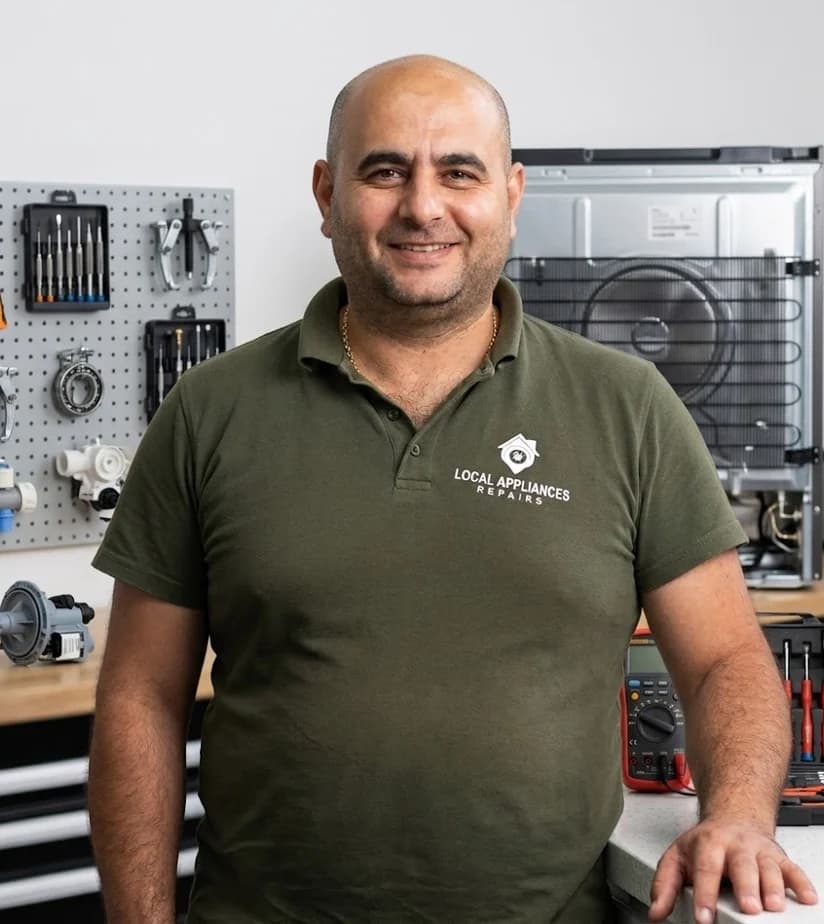
Founder
Xachatur
More than 15 years of experience.
-
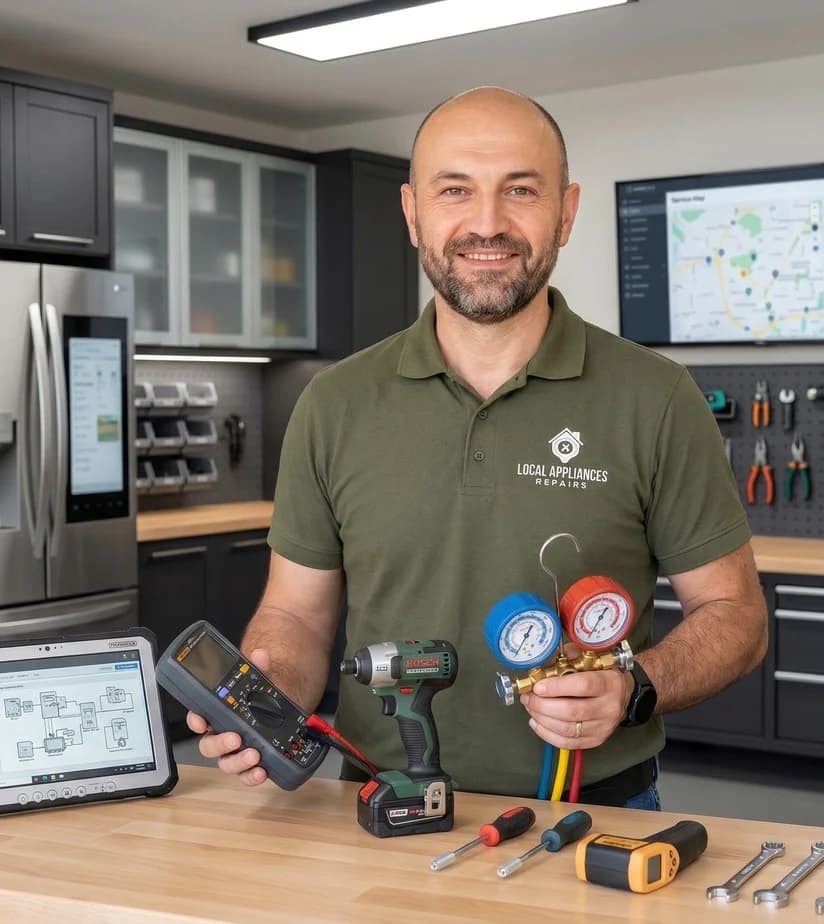
Sealed System Repair Specialist
Denis
More than 10 years of experience.
-
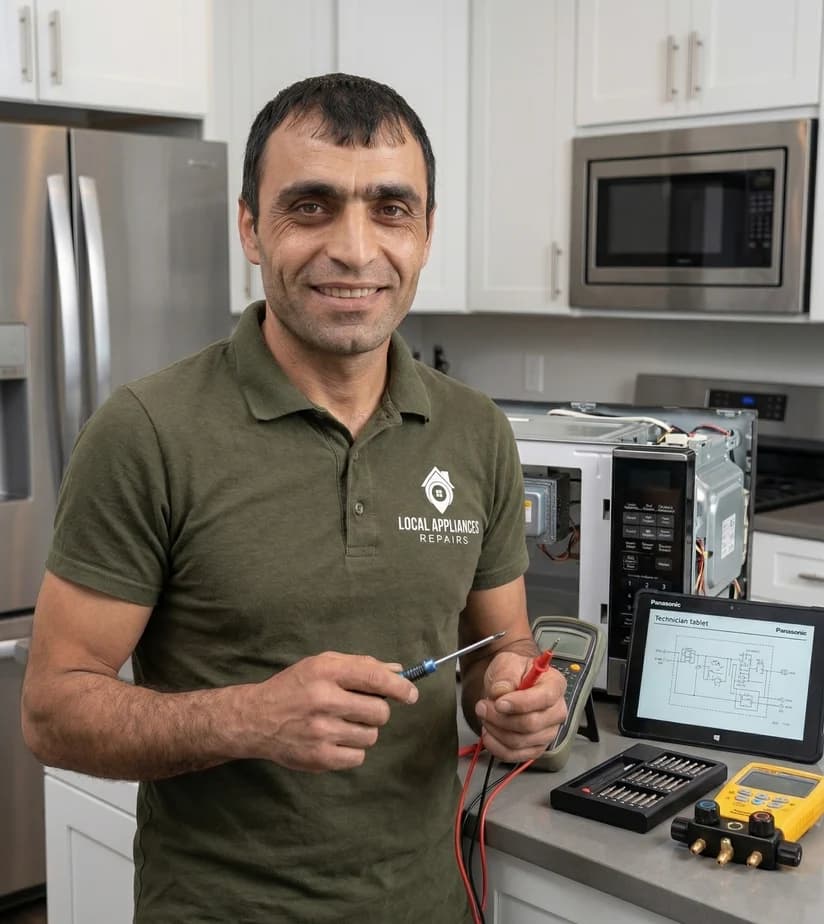
Part Installer
Max
More than 7 years of experience.
Your Safety First: Expert Appliance Repair in Sacramento!